Set at around 1,600 metres in the folds of Kerala's Western Ghats, Munnar is the kind of place that rearranges your idea of South India. Forget the heat of the plains: up here the air is cool and clean, the mornings arrive wrapped in mist, and almost every hillside in sight is carpeted with the neat, undulating rows of emerald tea bushes that have made the region famous. Once a quiet summer retreat for the British, who planted these estates in the late 19th century, Munnar today is one of the most beloved hill stations in 'God's Own Country', Kerala.
The name itself comes from moonu aaru — 'three rivers' — for the spot where the Madupetty, Nallathanni and Kundaly streams meet. From that confluence the land climbs steeply into some of the highest country in peninsular India. Munnar is the gateway to Anamudi (2,695 m), South India's tallest peak, and to the rare spectacle of the Neelakurinji, the blue flower that washes whole slopes in violet just once every twelve years. Sprawling tea estates, sholas (montane forests), waterfalls and reservoirs share these ranges with elephants, the endangered Nilgiri tahr and a wealth of birdlife.
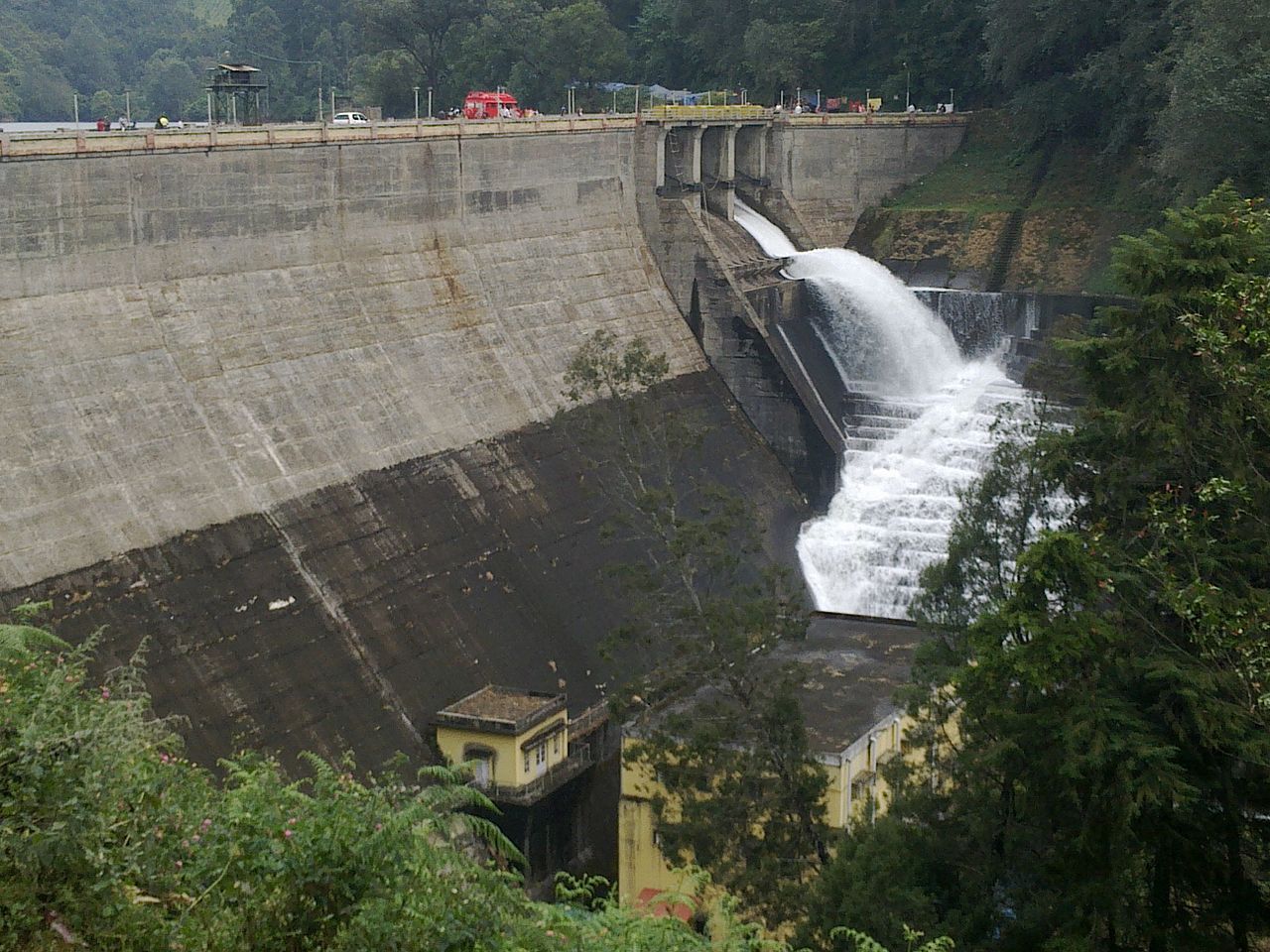
For travelers, Munnar is a place to slow down and breathe. Spend your days wandering the manicured plantations, learning how leaf becomes brew at a tea factory, boating beneath pine-clad hills, and chasing viewpoints that open out across the ghats toward Tamil Nadu. It pairs beautifully with the rest of Kerala — the spice-scented hills of Thekkady, the colonial port of Kochi or the famous Alleppey backwaters — but two to three unhurried days are enough to fall completely under its misty spell.